Hobart Concrete Resurfacing Contractors
Call 00 000 0999Concrete Resurfacing in Hobart
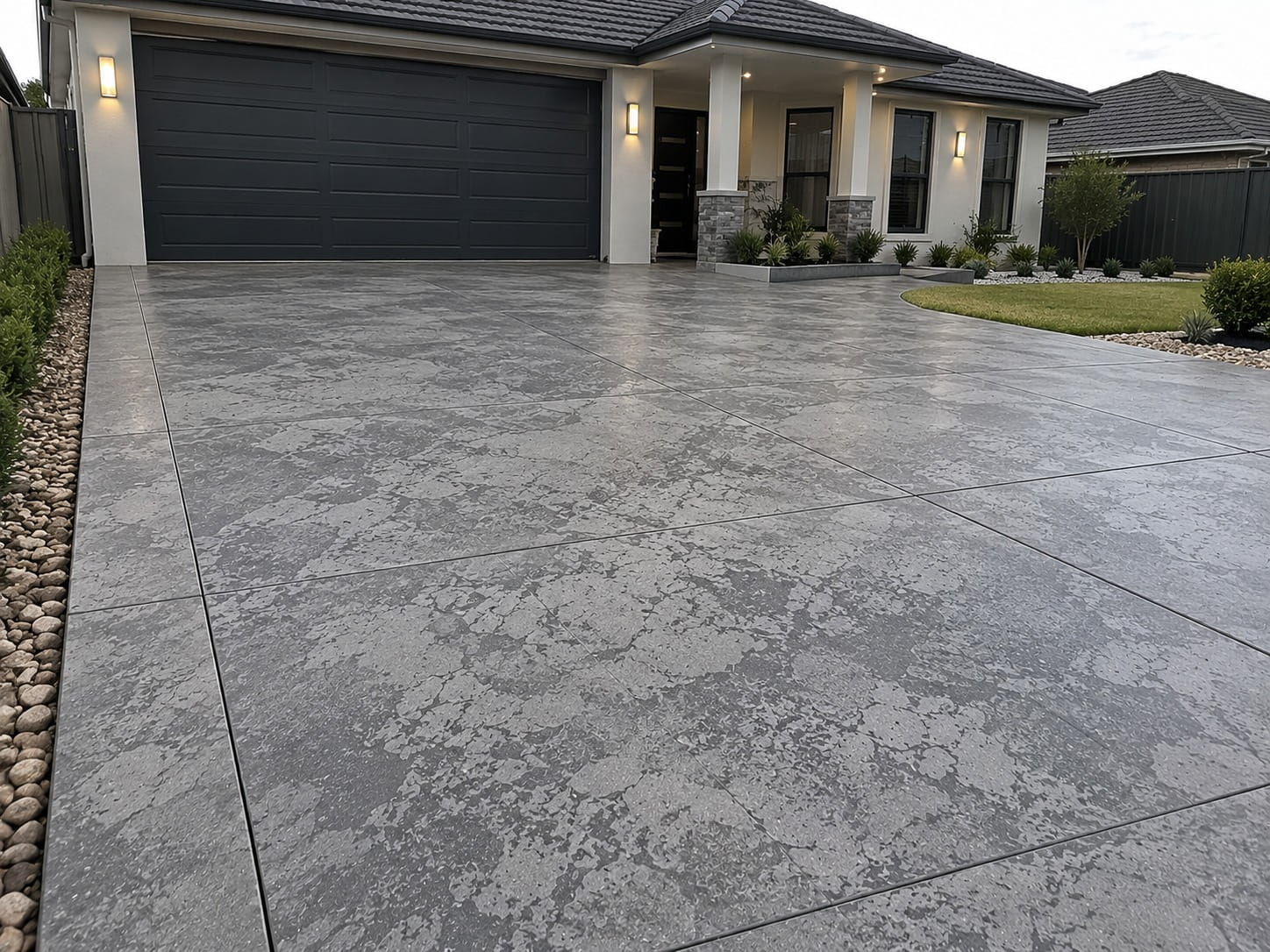
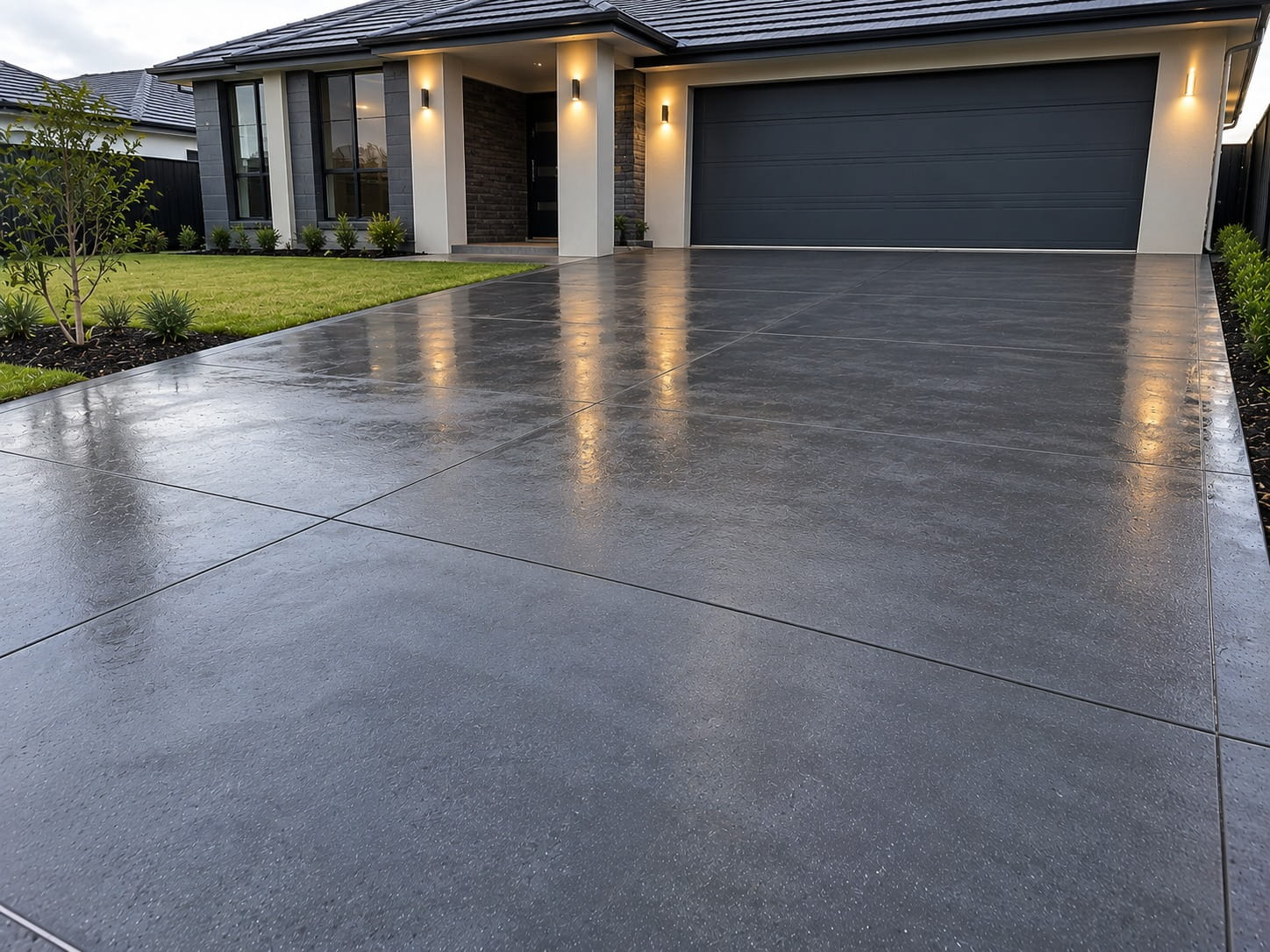
Tired, stained or rough concrete does not always need to be replaced. Our concrete resurfacing in Hobart service gives your existing concrete surface a fresh, attractive finish at a fraction of the cost of tearing it out. Our company resurfaces driveways, patios, paths and pool decks, covering surface wear, minor imperfections, stains and faded colours so your outdoor areas look brand new again without the mess and expense of demolition.
You can choose from a variety of colours and textures, including slip resistant options that suit Tasmania's wet conditions. We clean and prepare the surface thoroughly, repair damage and apply quality resurfacing materials that bond strongly and last. The process is quicker than full replacement, so you enjoy your upgraded space sooner. We work tidily and keep you informed. Call us today for a free quote and a fresh start.
Concrete Resurfacing Services in Hobart
Driveway Resurfacing
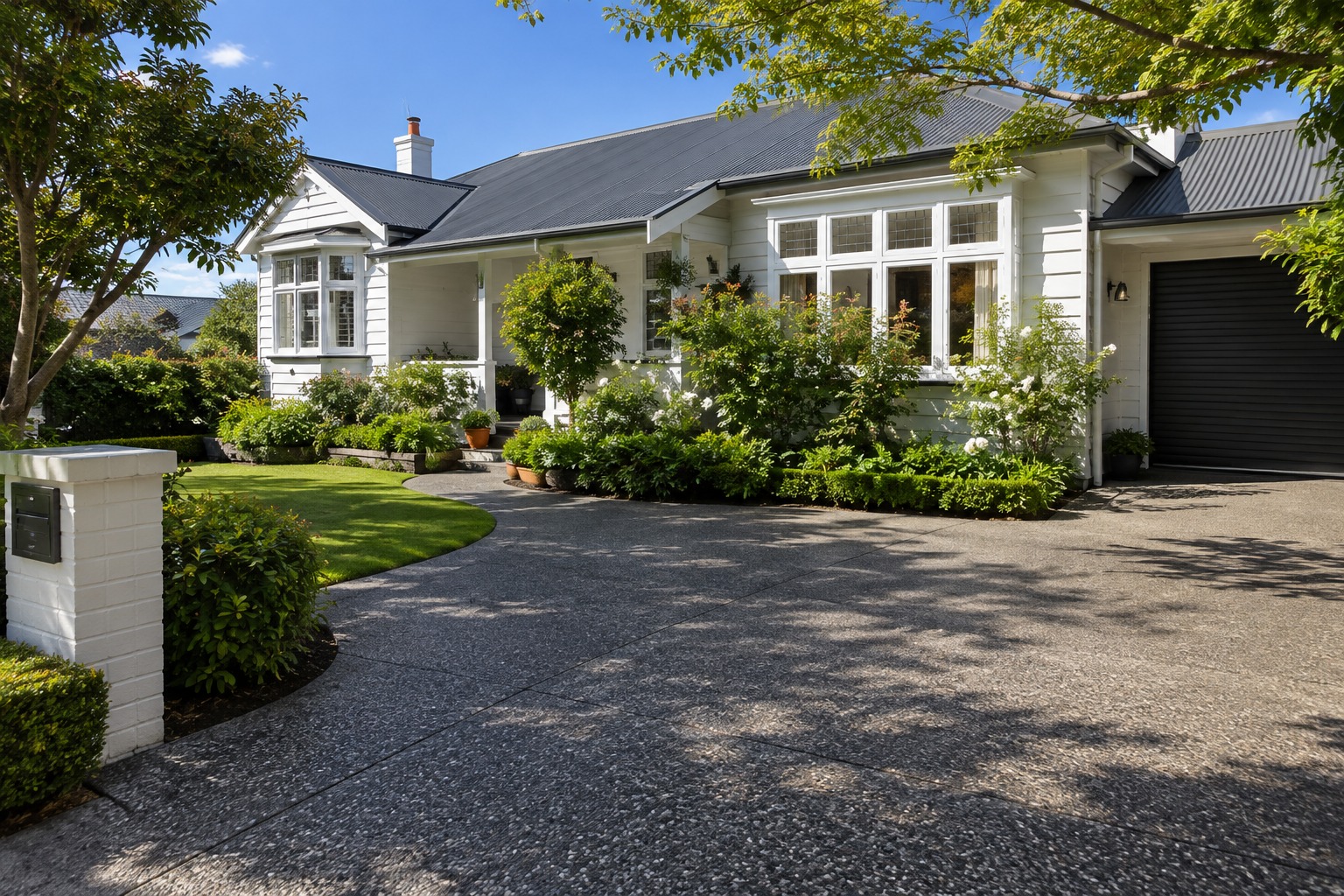
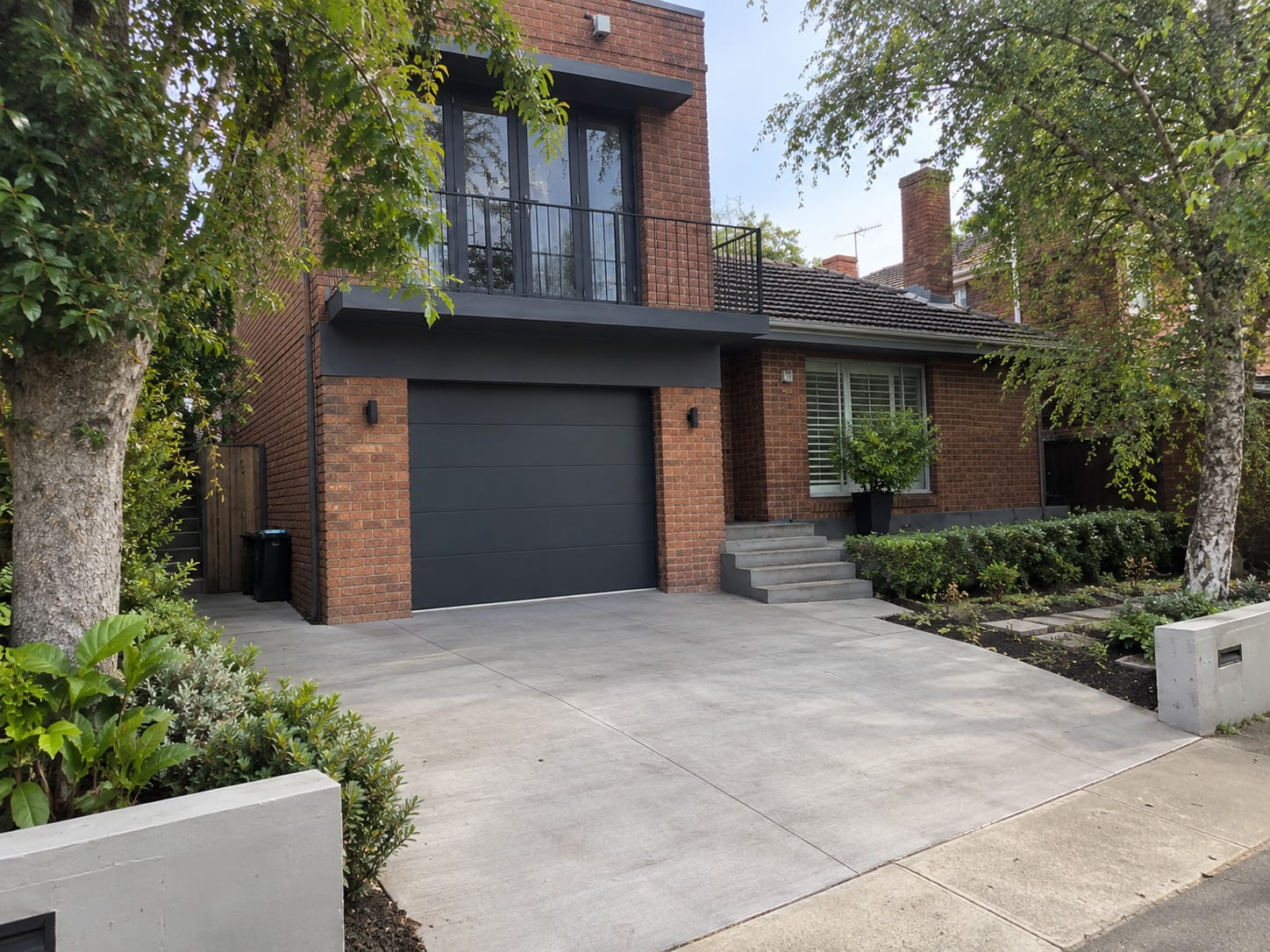
Faded, stained or flaking driveways cleaned, repaired and resurfaced with a hard wearing coating, giving your home fresh street appeal without the cost and mess of full replacement. You get a durable, attractive driveway without breaking out the old slab.
Patio and Alfresco Resurfacing
Tired patios and outdoor entertaining areas refreshed with new colours and textures, bringing a worn surface back to life so you can enjoy your outdoor space again. Colour options and textured finishes let you match the area to your house.
Pool Deck Resurfacing
Cool, slip resistant coatings that cover rough or discoloured pool surrounds, making the area safer for bare feet and more attractive for summer entertaining. These coatings also resist chlorine, sunscreen and pool chemicals, helping the surface stay colourful and safe.
Path and Entry Resurfacing
Entrance paths and walkways renewed with a durable, non slip finish, removing the worn look that can make an otherwise well kept home look neglected. A fresh surface makes your front entry safer and more welcoming for visitors and family.
Crack and Surface Preparation
Thorough cleaning, crack repair and priming of the old surface before resurfacing, which ensures a strong bond and prevents the new layer from peeling or lifting. Without proper preparation a topping will fail early, so we never skip this step.
Commercial Floor Resurfacing
Hard wearing surface systems for shops, cafes and workshops that improve appearance and grip, applied in stages to limit downtime and keep your business trading. Staging the work section by section lets your staff and customers keep using the premises.
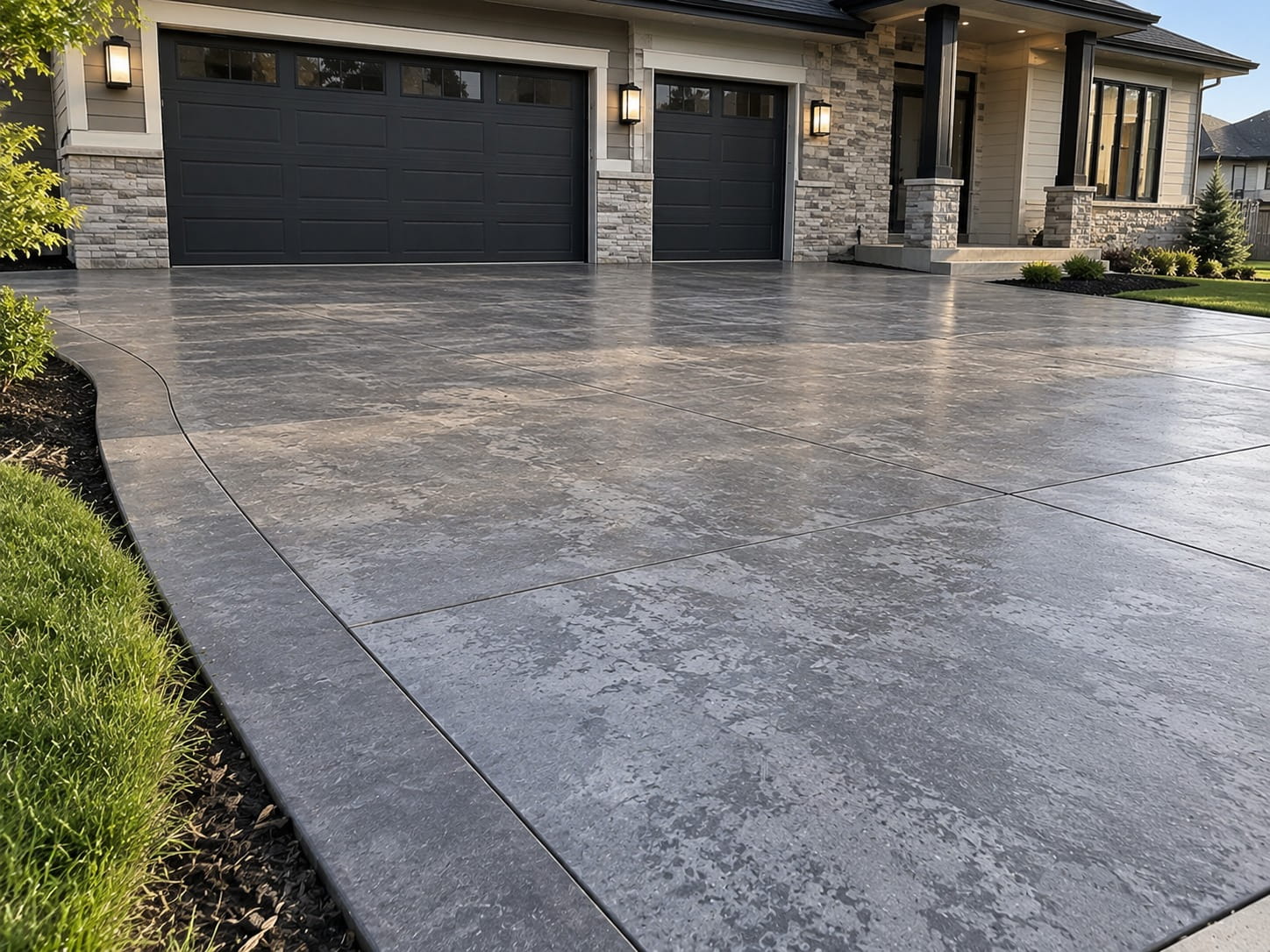
Concrete Resurfacing Contractors Hobart: 3 Ways To Get Started
Tired concrete does not always need replacing. Our Hobart concrete resurfacing team will help you find out whether a fresh surface is the right and most affordable option.
- Send photos: Show us the stains, cracks or wear and we can give an initial opinion.
- Book a site inspection: We check the slab condition and drainage to confirm it can bond a new surface.
- Pick colours and textures: Choose a slip resistant finish that suits your home and Hobart weather.
However you begin, you will deal directly with experienced concreters who care about preparation, because preparation decides how long a new surface lasts. We understand Hobart's frosts and rain and choose systems to suit. Options are plentiful. Call us today for a free quote and a fresh look for your concrete.
Why Choose Our Hobart Concrete Resurfacing Experts
Honest Slab Assessment
Resurfacing is not the answer for every tired surface. We inspect the slab and its base first, and if replacement makes more financial sense, we will tell you before you spend anything.
Preparation That Builds A Strong Bond
Most resurfacing failures come down to poor adhesion. Mechanical grinding, deep cleaning and the correct primer make up the bulk of the work, and none of it can be hurried just to finish a day sooner.
Cracks Repaired Before Coating
Any crack still moving beneath new material will reappear through it. We stabilise or isolate cracks first, especially where reactive clay is shifting the slab, instead of covering them over and hoping for the best.
A Chance To Improve The Surface
Resurfacing can fix poor falls, add slip resistance for frosty mornings and give the area a fresh look. We point out these improvements rather than simply putting back what was there before.
Far Less Disruption Than Replacing
There is no demolition, no digging and no skip full of broken concrete to remove. On steep blocks or older properties with narrow side access, that makes a real practical difference to cost and mess.
Finished With Clear Care Advice
We seal the new surface properly and give you honest guidance on how often it will need resealing, so it keeps looking good and performing well long after we have packed up.
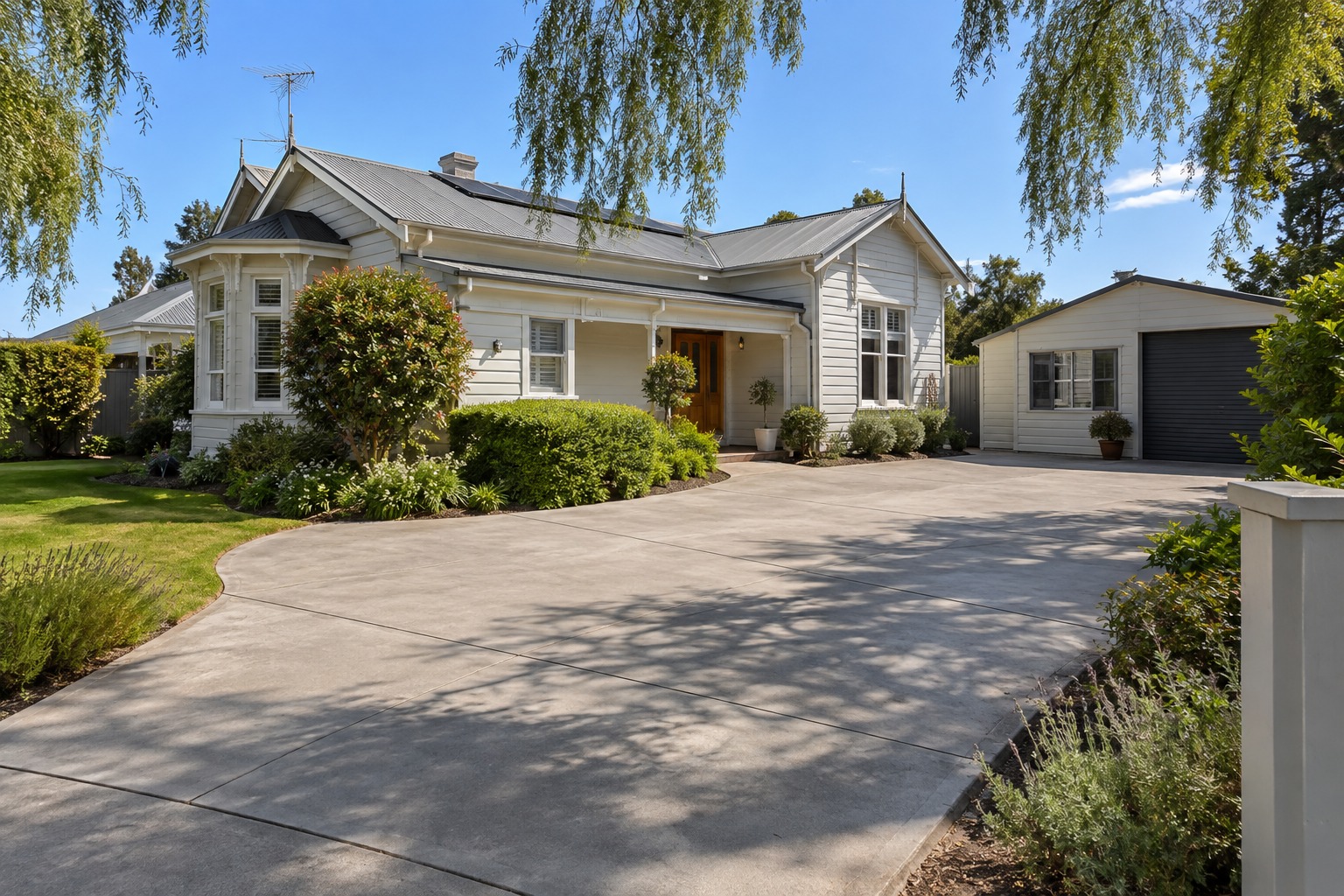
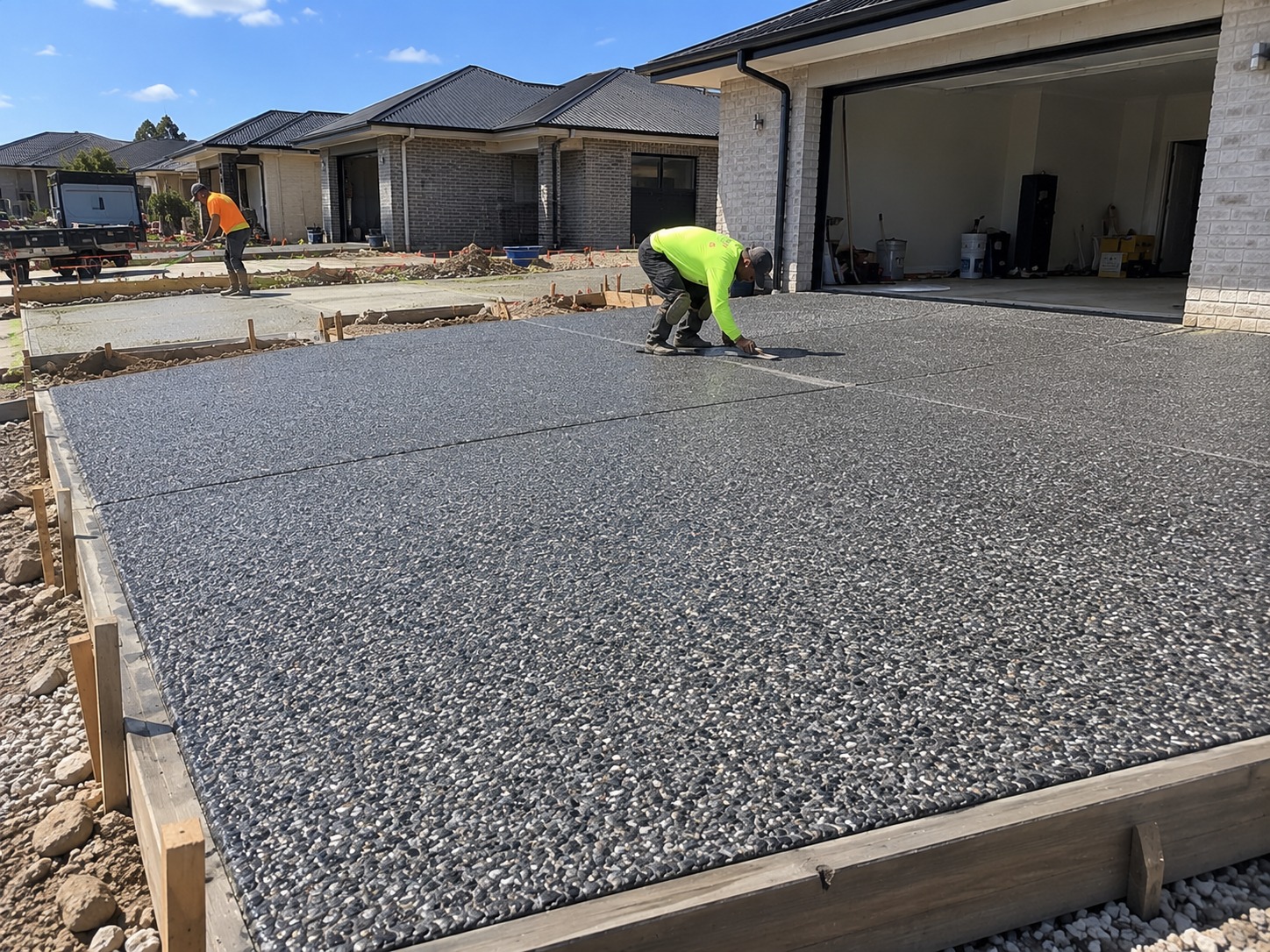
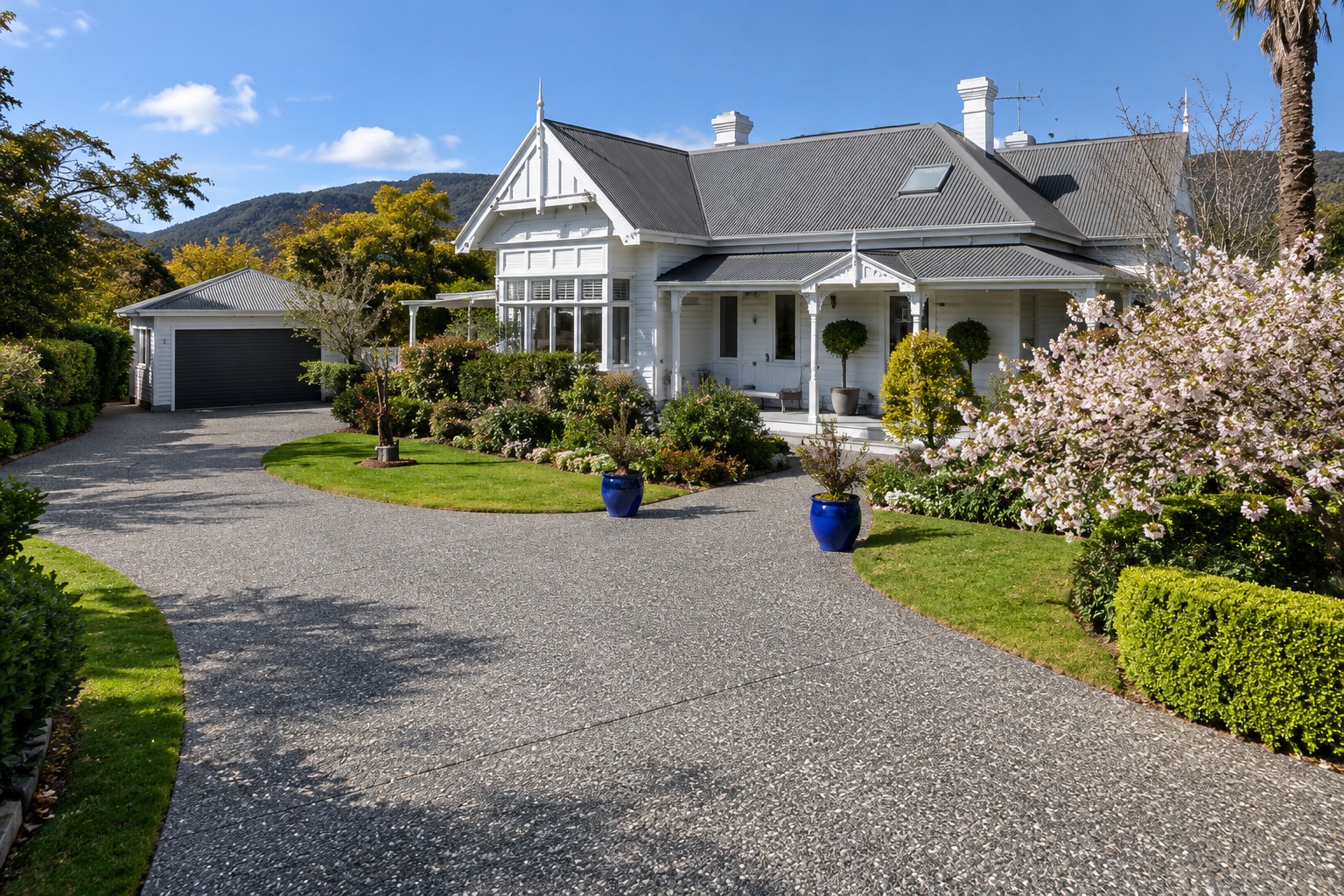
Concrete Works in Hobart

Concrete Resurfacing FAQs
Common questions about resurfacing in Hobart — resurfacing versus overlays, whether old cracks return, layer thickness, winter work, and durability.
In practice the terms are used almost interchangeably, and both describe applying a new layer over existing concrete rather than replacing it. If a distinction is drawn, resurfacing tends to mean restoring a surface to something like its original appearance, while an overlay often implies a thicker application that can change the look, correct levels or carry a decorative finish. What matters far more than the terminology is the condition of the slab underneath and the quality of the preparation, since those decide whether the result lasts. We assess the slab on site and recommend the system that suits it.
They will if they aren't dealt with first, and that's the most common reason overlays disappoint. A crack that's still moving will telegraph through any overlay laid over it, usually within a season. Around Hobart, reactive clay soils that swell in winter and shrink in summer are a frequent cause of that movement. The answer is to establish whether each crack is active, stabilise it with the right repair, and in some cases use a crack-bridging membrane or a joint that lets movement happen in a controlled spot. Where a slab has extensive live cracking, resurfacing isn't the right solution and we'll tell you so.
It varies with the system and the purpose. A thin decorative micro-topping can be only a couple of millimetres, enough to change the colour and texture but not to correct levels. A self-levelling or stamped overlay is typically thicker, which lets it even out an uneven surface and carry a pattern. Thicker isn't automatically better — the right thickness depends on what you need it to achieve and how much height you can add without causing problems at door thresholds, steps, garage entries and drainage points. We check all of those before recommending a system.
It can, but weather is the main constraint and it's often worth waiting. Overlays need a dry surface to bond to and a dry window afterwards to cure properly. A Hobart winter gives fewer reliable dry stretches, overnight frosts are common, and low temperatures slow the curing of both the overlay and any sealer — most products also have a minimum application temperature. We do work through winter where there's a genuine reason to, choosing mild, dry spells and protecting the work overnight, but for discretionary jobs we'll usually suggest spring through autumn for a better result and less risk of delay.
A well-applied overlay on a sound, well-prepared slab is durable and lasts many years, but it's honest to say it isn't identical to a correctly built new surface. Its performance is tied to the slab beneath — if that eventually fails, the overlay goes with it. It's also thinner, so it's less tolerant of heavy impact. Given a sound base, though, resurfacing delivers most of the benefit of replacement for much less cost and disruption, without breaking out old concrete and carting it away. On a steep block or a site with tight access, that saving can be considerable.
Other services you might need
Ready to refresh your worn concrete?
Send us photos of the surface and we will tell you what it needs.