Margate Concrete Driveways
Call 00 000 0999Concrete Services in Margate
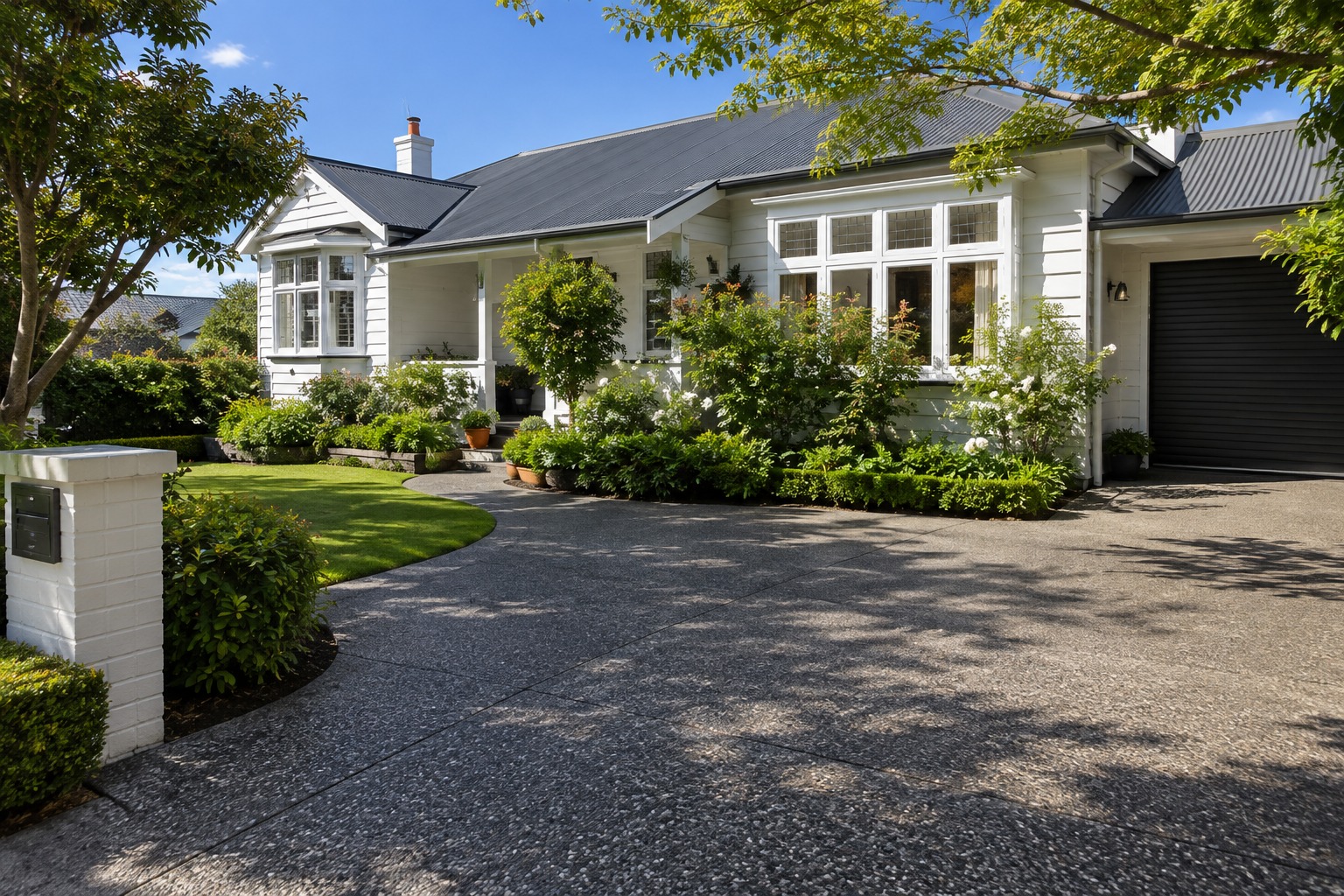
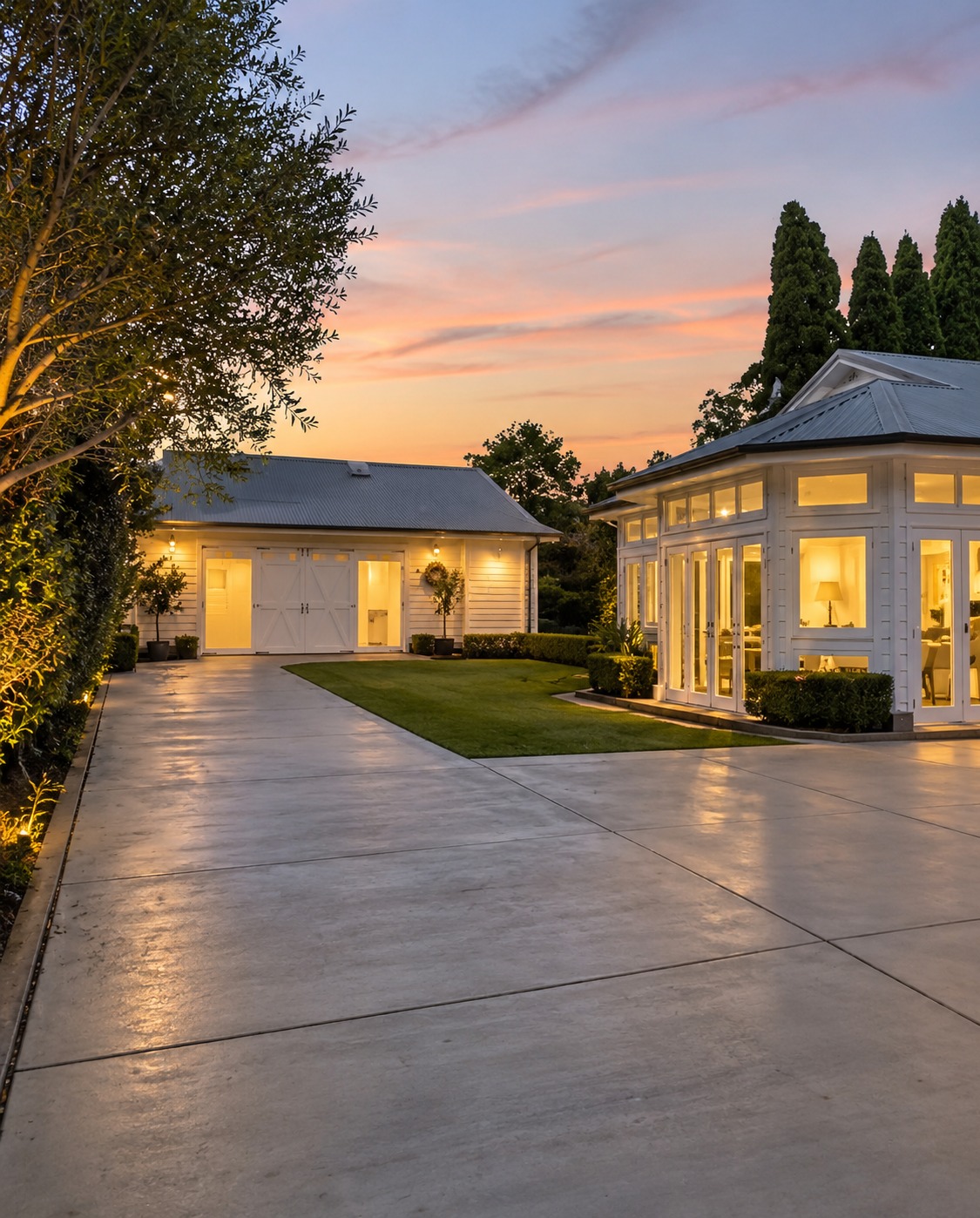
Margate is a semi-rural township further south along the Channel Highway, sitting on North-West Bay. Properties here are often larger than in the suburbs closer to Hobart, with acreage, sheds and driveways that can run a long way from the road to the house. That changes the nature of the concrete work. Rather than a short suburban driveway, Margate owners often need a long access track sealed, a big slab for a shed or workshop, or hardstand areas for vehicles, trailers and machinery.
Long gravel driveways tend to wash out and rut in wet winters, so many Margate owners upgrade to a concrete driveway, either along the full length or on the steepest or most worn sections. For sheds, garages and workshops we pour a reinforced concrete slab sized to the building and its use. On rural runs where concrete is not the right fit for every metre, asphalt can be an alternative worth discussing. Whatever the job, drainage is central, because water moving across a large block needs somewhere to go.
Concrete Services We Offer In Margate
Long Rural Driveways
Margate driveways can stretch a long way from the gate to the house. We plan the route, drainage and joint layout to suit the length, and can concrete the full run or focus on steep and high-wear sections first to suit your priorities.
Shed and Workshop Slabs
Larger blocks often mean big sheds. We pour reinforced slabs for farm sheds, workshops, garages and machinery storage, with thickness and reinforcement suited to vehicle loads, and can include thickened edges and set-downs to match the shed design.
Hardstand and Turning Areas
Space to turn a car, park a trailer or store a boat makes rural living easier. We create concrete hardstands and turning circles near the house or shed, with falls that keep water moving off the surface after rain.
Gravel to Concrete Upgrades
Gravel tracks that rut, wash out and need regular top-ups are a common frustration. We can strip back a worn gravel driveway, reuse or improve the base where suitable and replace it with a durable concrete surface.
Excavation and Site Preparation
Bigger sites often need more groundwork before concrete can go down. We handle excavation, levelling and base preparation for driveways, slabs and pads, and can cut in for retaining where a shed or house site sits on sloping ground.
Culverts, Crossings and Drainage
On rural driveways, water crossing the track is a major cause of damage. We can include spoon drains, grates and other drainage details in the concrete, and talk through options where a driveway meets a table drain at the road.
Why Margate Homeowners Choose Us
Comfortable With Large-Scale Pours
Long driveways and big slabs need good planning for truck access, pump placement and finishing crews. We organise large pours so the concrete goes down and is finished in the right window.
Slabs Built for Real Loads
A shed floor that carries tractors, utes or machinery needs more than a light garden slab. We match thickness, reinforcement and base preparation to how the slab will actually be used.
Water Management on Big Blocks
Runoff across acreage can be considerable in a wet winter. We look at where water enters and leaves the driveway or slab, and build in drains and falls to keep it from causing damage.
Staged Options for Long Runs
Not every rural driveway needs to be done in one hit. We can suggest staging the work, starting with the steepest or most troublesome sections, so you can spread the project out sensibly.
Cold-Weather Know-How
Frost is common on cold winter mornings further south. We time pours, adjust where appropriate and use curing protection so new concrete is not damaged by low overnight temperatures as it cures.
Advice Before You Commit
We walk the property with you, explain what makes sense for your block and point out anything you may need to check with Kingborough Council, such as road access or larger structures.
Concrete Works in Hobart
Margate Concrete FAQs
Margate property owners often ask us these questions when planning driveways, shed slabs and other rural concrete work.
For many Margate properties, yes. Gravel is cheaper to lay at first, but long gravel driveways tend to rut, wash out in heavy rain and need regular grading and top-ups, especially on slopes. Concrete costs more upfront but offers a durable, low-maintenance surface that handles wet winters much better when built with proper drainage. If concreting the full length is more than you want to take on, a good compromise is to concrete the steepest sections, the area near the house or the part that washes out most, and leave the rest as gravel for now.
It depends on what the shed will be used for and what the shed manufacturer or engineer specifies. A slab for a small garden shed can be fairly light, while a slab that has to carry cars, tractors, trucks or heavy machinery needs more thickness, heavier reinforcement and a stronger base. Larger sheds often also need thickened edges or footings under the posts. Many shed kits come with slab details, and some sheds require approval, so we work from the plans and specifications to make sure the slab suits the building.
In most cases, yes, but access is one of the first things we check. Concrete trucks are heavy, so soft ground, tight turns, low branches or steep tracks can limit how close they get. Where trucks cannot reach the pour, a concrete pump can deliver concrete a long distance from the truck. We look at the route during the site visit and plan the pour around it. On very long driveways we may pour in sections, which also helps the finishing crew keep up and get a consistent result.
Water is the biggest enemy of any rural driveway, concrete or gravel. We start by looking at how water moves across the property during heavy rain. The driveway is then built with crossfall or a crown to shed water to the sides, and we add spoon drains, grates or other drainage at points where runoff crosses the track. A well-prepared, compacted base helps prevent water softening the ground underneath. Where the driveway meets the road and its drains, check Kingborough Council requirements, as specific details may be needed there.
We do, with care. Cold temperatures slow the chemical reaction that makes concrete hard, and frost on fresh concrete can damage the surface. In winter we keep a close eye on the forecast, avoid pouring before a hard frost where possible, start later in the morning when temperatures lift, and may adjust the mix or use curing blankets and other protection. Wet weather is also a factor, as heavy rain during a pour can spoil the finish. If conditions are not right, we reschedule rather than risk the result.
Other Areas We Serve
Planning a concrete project in Margate?
Tell us about your site and we'll get back to you fast.