Hobart Concrete Slab Contractors
Call 00 000 0999Concrete Slab in Hobart
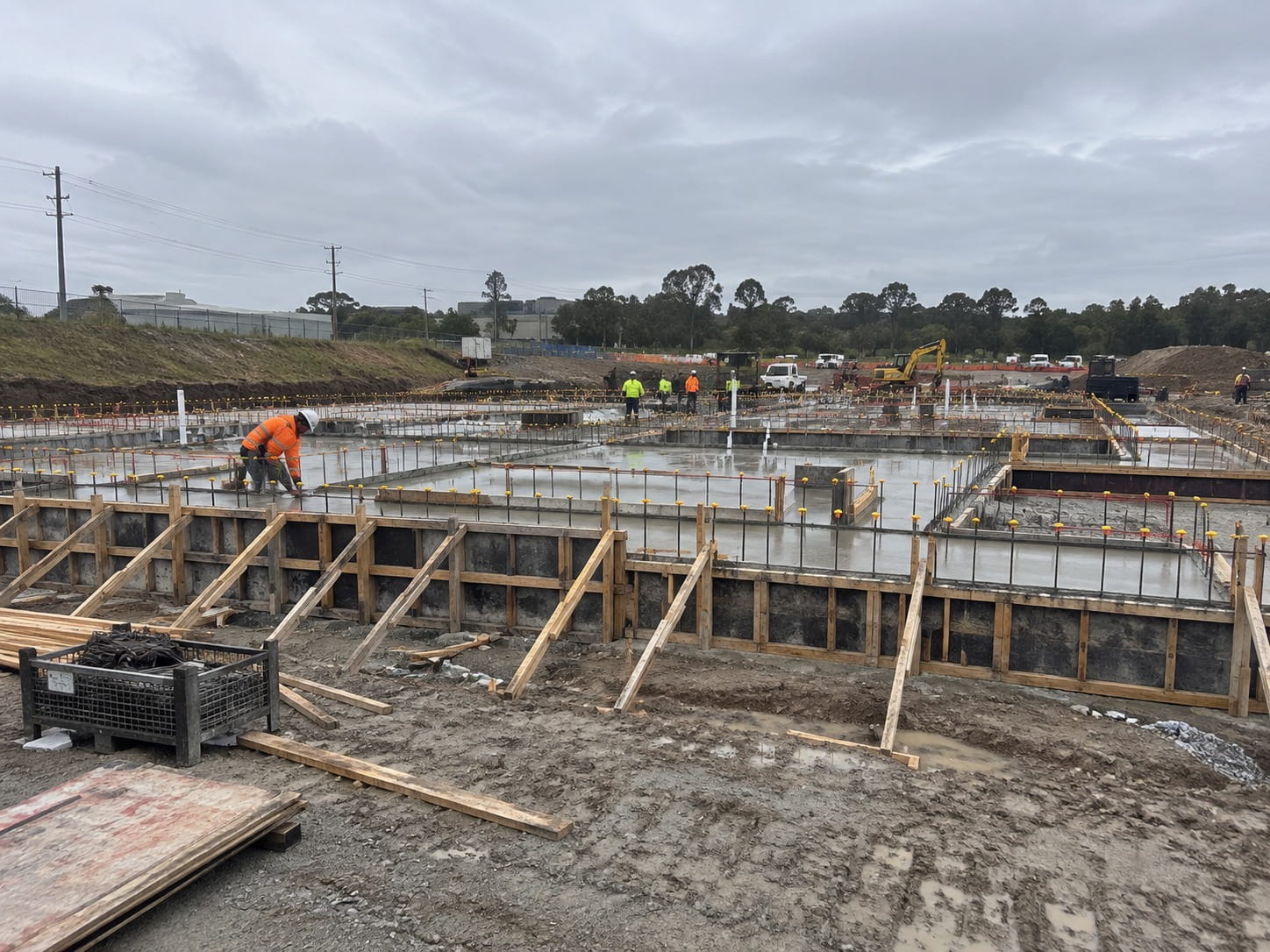
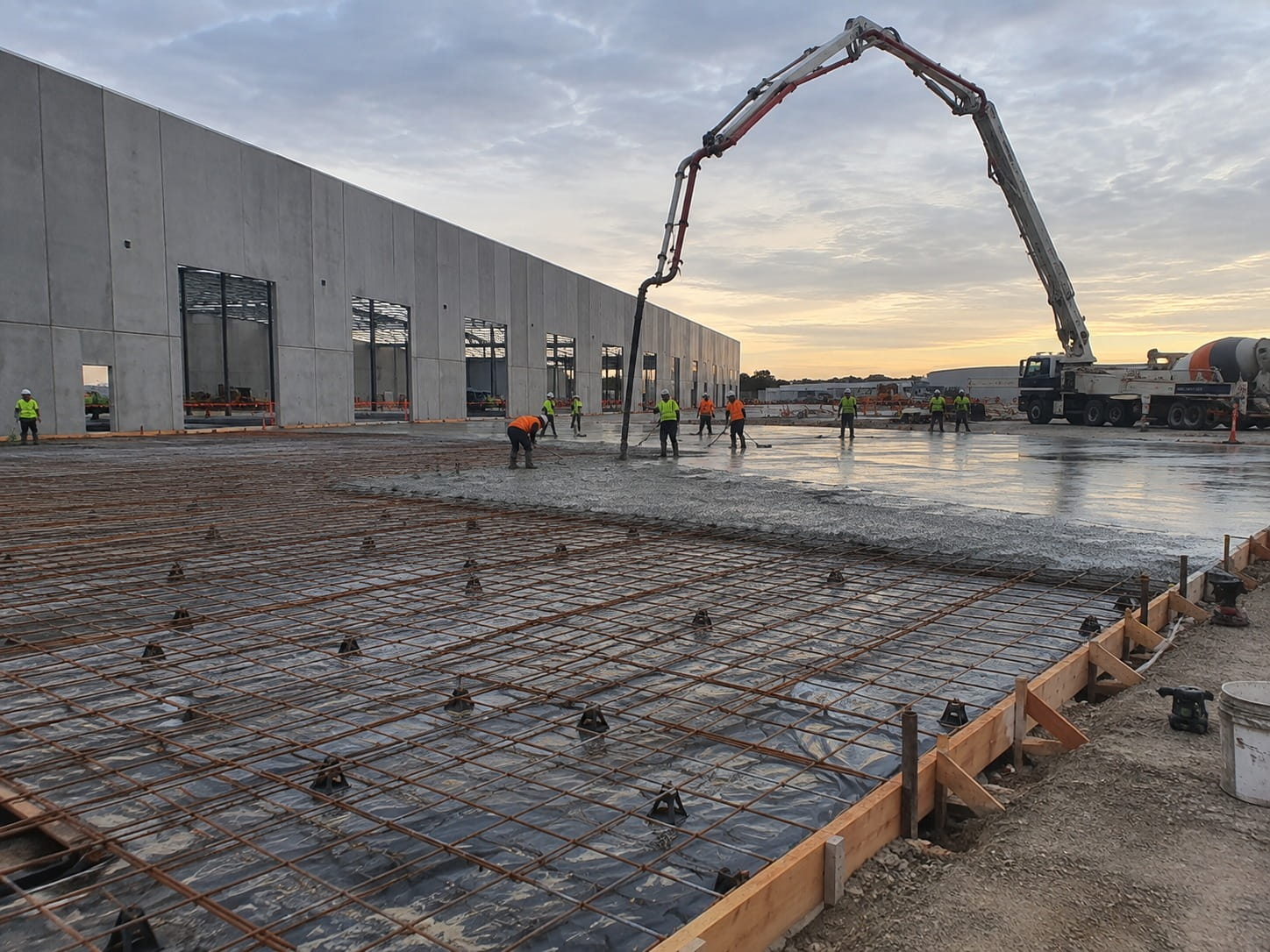
A well poured concrete slab is the foundation of your shed, garage, home or granny flat, and on Hobart's steep, sloping blocks it must be done properly. Our concrete slab in Hobart service gives you a flat, strong, level and durable base that is ready for whatever you plan to build on it next. Our company manages the entire process, from site preparation and formwork to reinforcement, pouring and finishing.
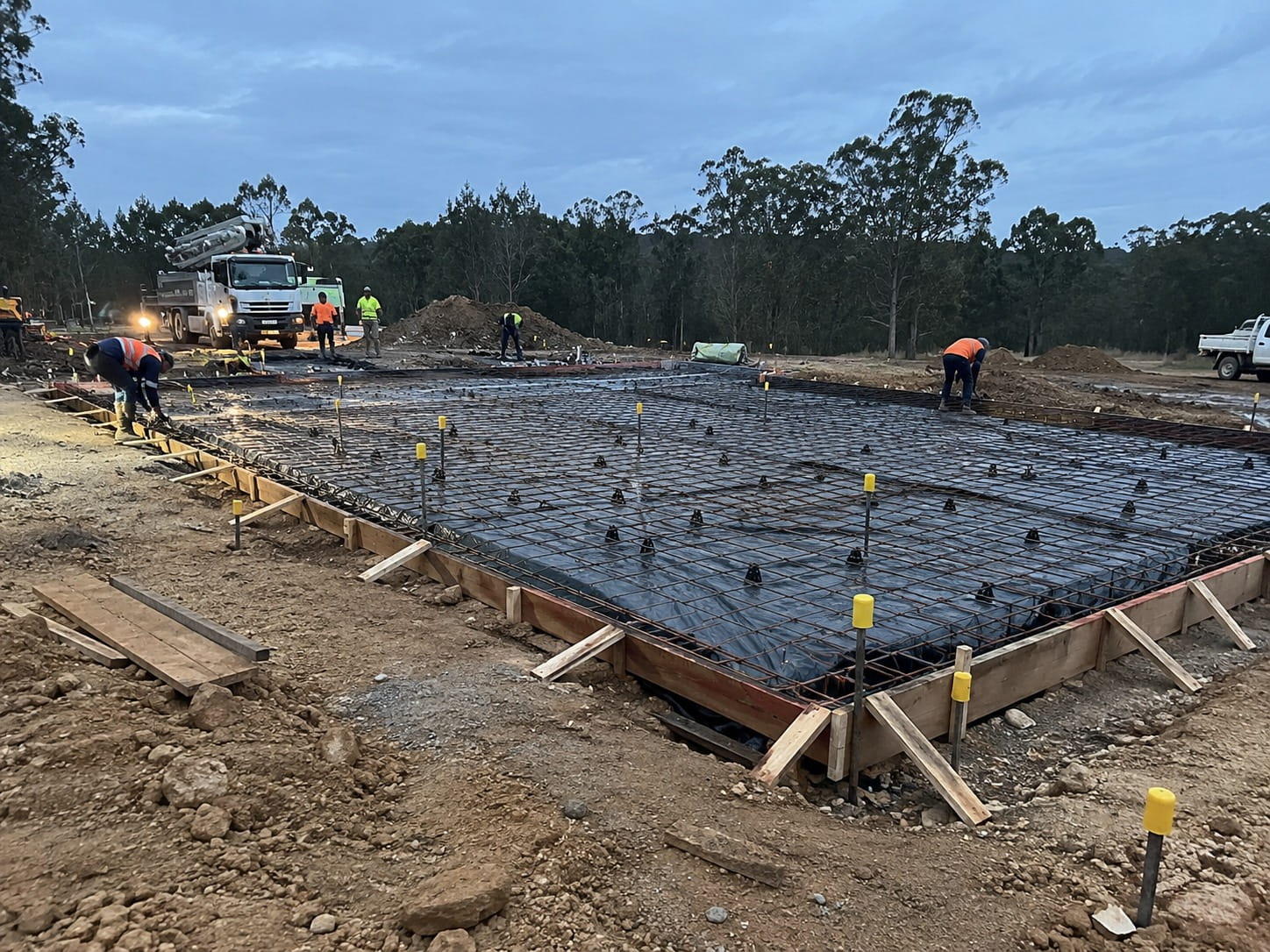
You get a slab built for local conditions. We compact the base carefully, install moisture barriers and reinforcement, and set the correct levels so water drains away from your building. Tasmania's cold weather can affect curing, so we plan each pour with care. We work efficiently and leave your site clean and ready for the next stage. Call us today to book your free quote and get your project started.
Concrete Slab Services in Hobart
House Slabs
Level, strong slabs for new homes, formed over a compacted base with moisture barriers and reinforcement, ready for framing and sized to suit your plans and site. A well prepared base and correct levels give your builder an easy start.
Shed and Garage Slabs
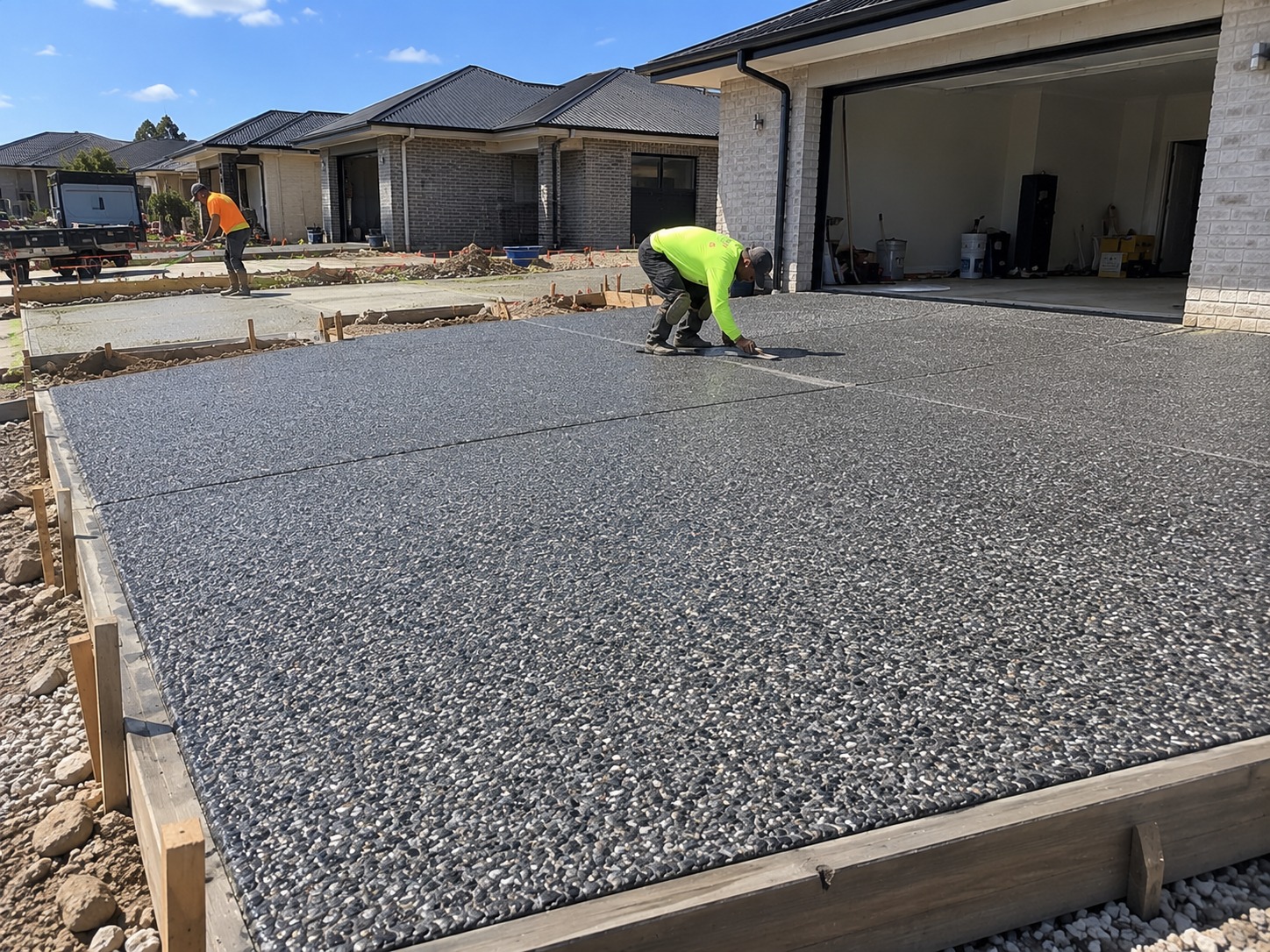
Thick, flat floors for sheds, workshops and garages, with the right fall and finish for vehicles, tools and storage, and a smooth surface that is easy to sweep. Optional falls and a sealed surface make cleaning and everyday use easier.
Granny Flat and Studio Slabs
Compact, accurately set out slabs for backyard dwellings and home offices, poured with careful attention to levels, service penetrations and access around existing structures. We coordinate plumbing, electrical and drainage penetrations before the pour so nothing needs cutting out afterwards.
Sloping Block Slabs
Slabs on Hobart's steep sites, using stepped edges, retaining walls or piers where required so your building sits level without moving more soil than necessary. Early planning of formwork and retaining details helps your building sit securely on the slope.
Insulated and Heated Slabs
Slabs prepared for in slab heating or insulation, helping you create a warmer home through Tasmania's cold winters and cutting your heating costs for years afterwards. Insulation and heating pipes are positioned before the pour to keep your house warmer.
Slab Repairs and Levelling
Settled, cracked or uneven slabs assessed and corrected through grinding, patching or lifting, restoring a safe, level surface without replacing the entire floor. Options include grinding high spots, filling low areas and injecting stabilising material under settled sections where needed.
Concrete Slab Contractors Hobart: 3 Ways To Get Started
Whether it is a shed, garage, house or granny flat, a good slab starts with good planning. Our Hobart concrete slab team will guide you through every step of getting started.
- Tell us the size and use: Share dimensions and what will sit on the slab so we can specify the right thickness.
- Book a free site visit: We check levels, slope and access, and advise on any retaining or drainage needs.
- Choose your start date: We schedule excavation, formwork and the pour so your build stays on schedule.
However you begin, you will deal directly with experienced concreters who understand Hobart's sloping blocks and cold weather. We build slabs that stay flat, strong and ready for the next trade. Preparation comes first. Call us today for a free quote.
Why Choose Our Hobart Concrete Slab Experts
Built On A Firm Base
Slabs usually fail from below. We remove topsoil and soft material, compact the hardcore in thin lifts and confirm the base is firm and level before forming up or laying any membrane.
Depth Suited To The Job
A garden shed and a workshop with a car inside need very different slabs. We find out what the slab will carry, then set thickness and reinforcement to match instead of using one size for everything.
Vapour Barrier Done Right
A membrane only stops rising damp if it's unbroken. We overlap sheets well, tape every join, seal around pipes and turn it up at the edges, so moisture can't sneak through gaps or tears.
Joints And Falls Set Out Early
Outside slabs are poured with a gentle fall so rain runs off. Control joints go in at sensible spacing so shrinkage cracks form neatly along the lines we've chosen, not randomly across the surface.
Curing Managed In Cold Weather
Frosty Hobart mornings slow curing and can damage fresh concrete. We watch the forecast, adjust the mix where needed and protect new slabs from frost, so they gain strength properly through winter.
Clear Costs For Hidden Work
Excavation, hardcore, membrane, mesh and concrete are priced separately. Since most of a slab's cost ends up out of sight, you deserve to see exactly what each part involves.
Concrete Works in Hobart





Concrete Slab FAQs
Common questions about slabs in Hobart — how thick yours needs to be, when a permit applies, pouring in tight access, and what actually causes cracking.
It comes down to load and ground. A domestic shed floor carrying garden gear and a mower is typically around one hundred millimetres with mesh through it. A garage taking a car or ute usually wants more, and a workshop with machinery or a hoist more again, often with thickened sections under specific loads. Reactive clay or soft ground pushes the figure up as well, and slabs under homes are designed to AS 2870 from the site classification. We'd rather work it out from what you plan to use the space for than quote a default depth and hope it holds.
For the slab on its own, often not — but the structure going on top of it frequently does need a building permit, and the slab then forms part of that approval. Small sheds under certain size and height limits are commonly exempt, while anything habitable, anything plumbed, and most larger structures generally aren't. Retaining or significant earthworks to create a level platform on a sloping block can bring their own requirements. We'll flag what we think applies during the site visit, but always confirm with your local council or a building surveyor rather than relying on a general answer.
Usually, and it's a normal part of working in Hobart's older suburbs and on steep hillside blocks. Where a concrete truck can't reach the pour we pump it, or barrow it in from wherever the truck can park. Both work fine, but they add labour and time and change the sequencing, so we assess access during the site visit and reflect it in the quote. Very tight or steep sites sometimes need the pour split into sections with a planned construction joint, which we detail properly so it stays sound rather than becoming a weak line.
For light framing, a few days is usually enough, and most builders are comfortable setting out after about a week. Concrete reaches its specified design strength at around twenty-eight days, and for anything heavy, structural or engineer-signed you should work to that figure rather than the earlier one. Cold weather slows it down considerably, so a pour on a frosty July morning needs more time than the same slab in February, and it needs protecting from frost while it's young. We'll give you specific guidance for your pour and the conditions it went down in.
Four things, mostly. Shrinkage as the concrete cures, which is normal and why we cut control joints. Ground movement underneath, which on reactive clay is the big one, especially through a wet winter and dry summer cycle. Loads heavier than the slab was designed for. And inadequate or badly positioned reinforcement, particularly mesh left sitting on the base instead of chaired up into the slab. Fine hairline cracking is expected and harmless. Cracks that are opening, stepping or letting one side settle relative to the other point to a base or design problem, and those are worth looking at properly.
Other services you might need
Want a quote within 24 hours?
Tell us what is going on the slab and we will size it properly.