Hobart Excavation Contractors
Call 00 000 0999Excavation in Hobart
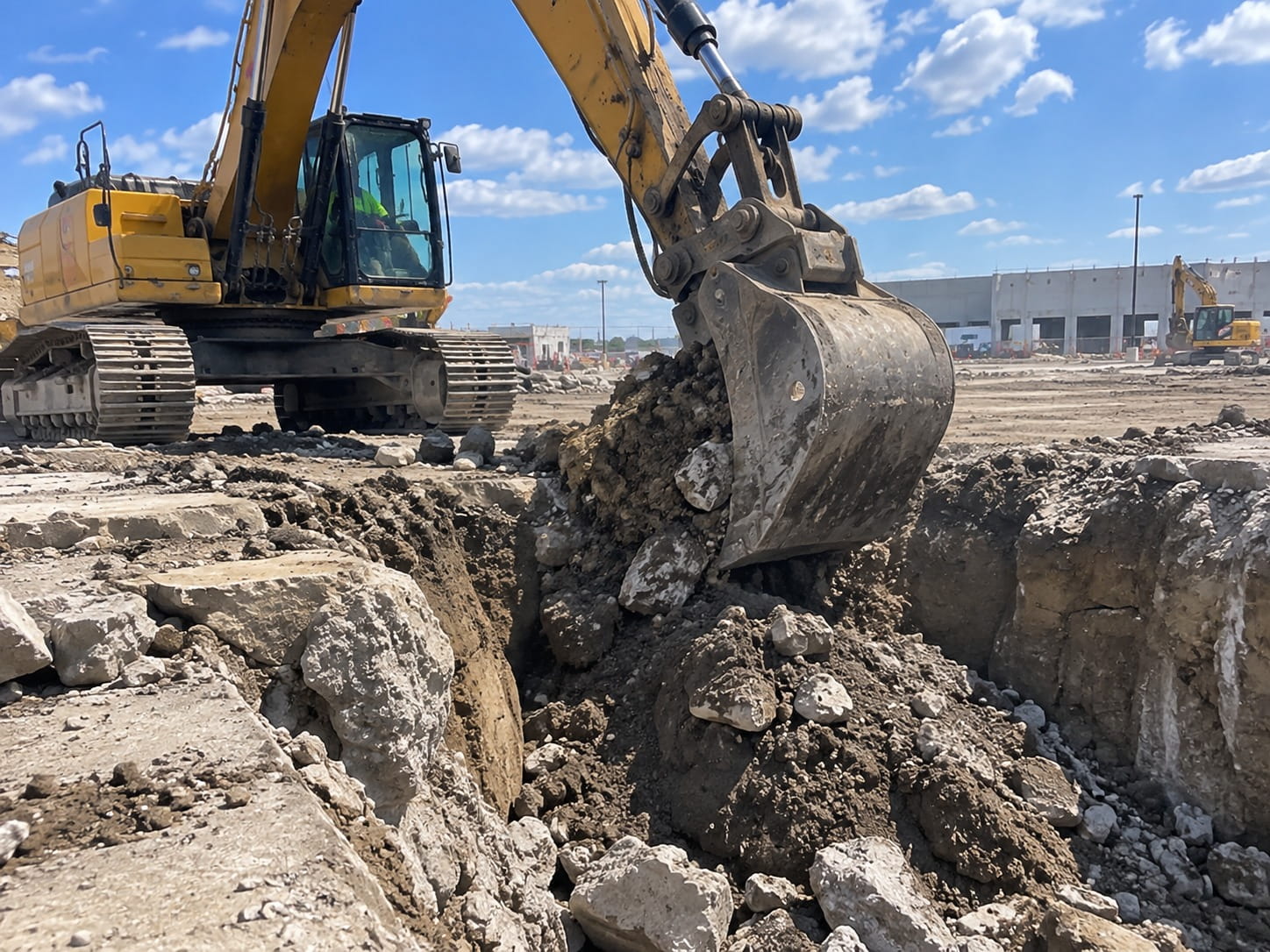
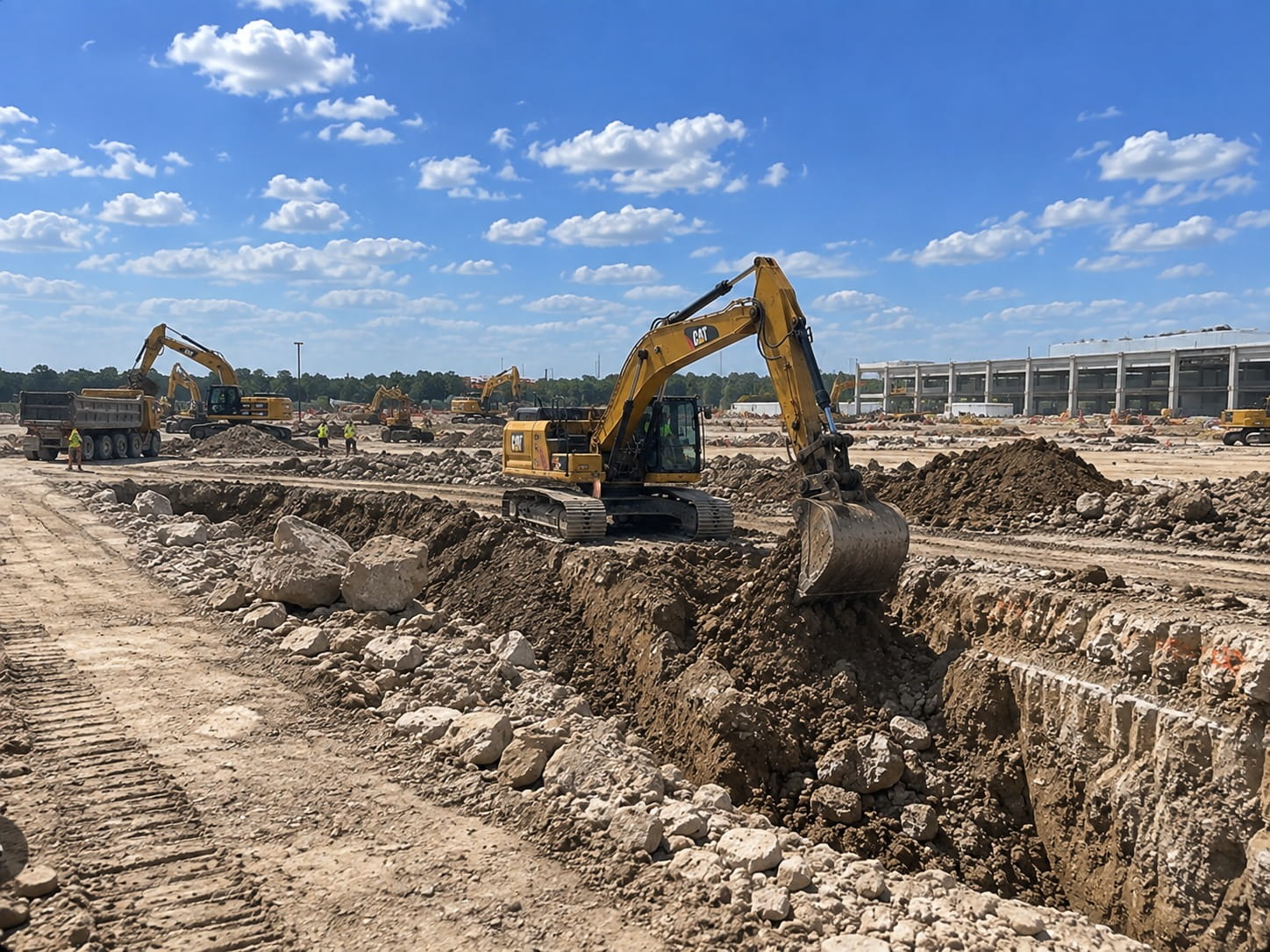
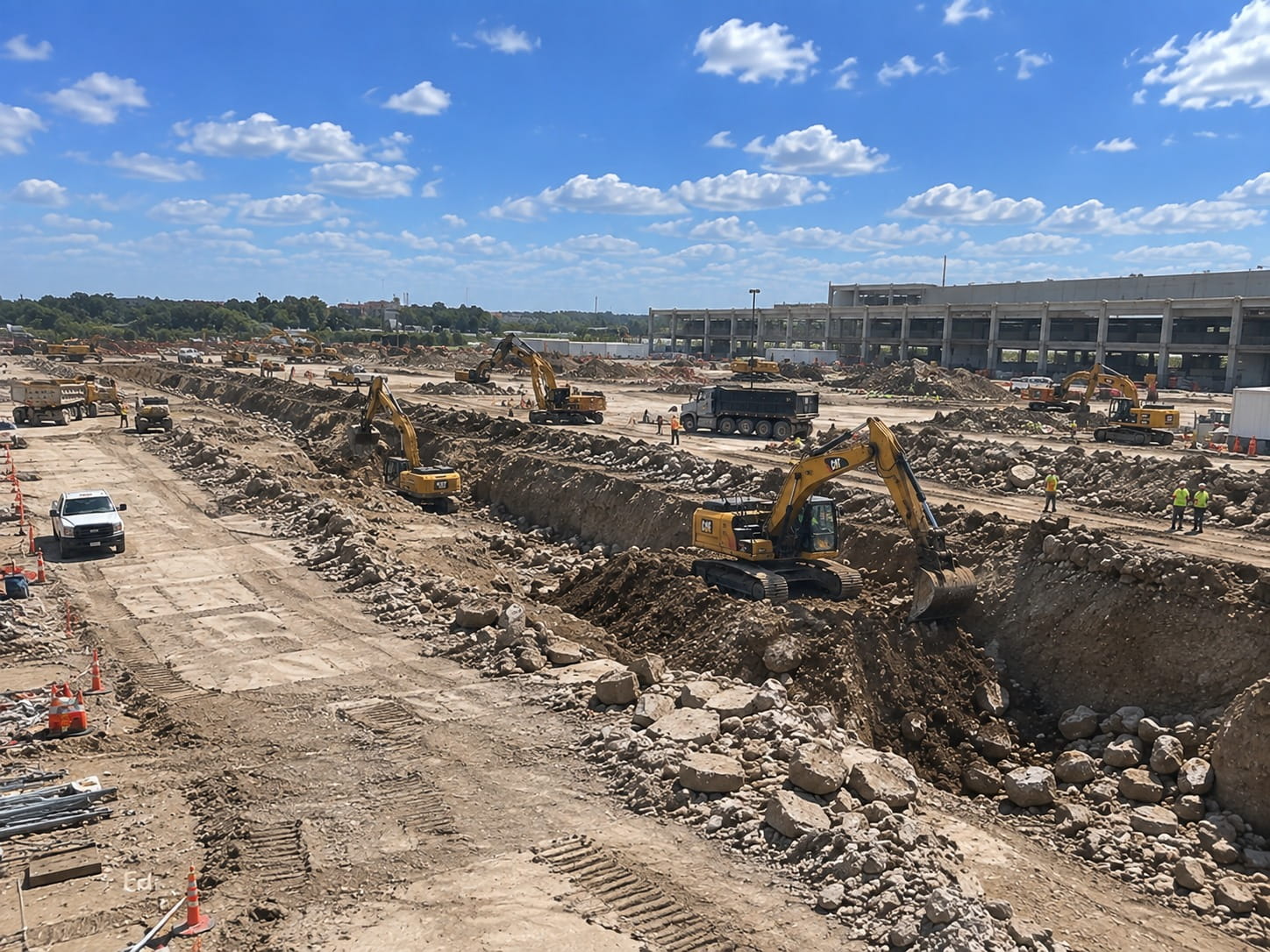
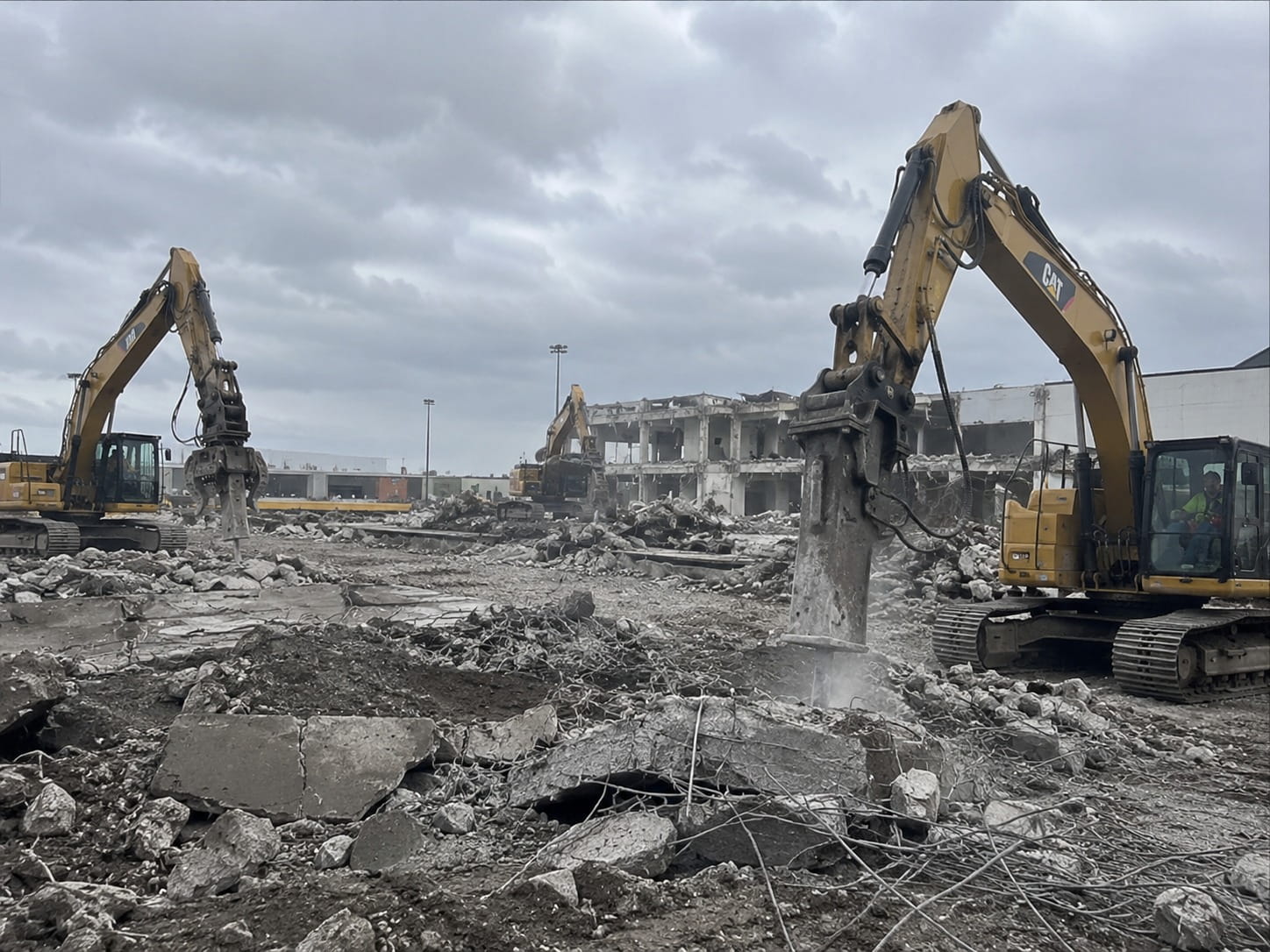
Every successful build starts with proper excavation, and in Hobart that means working carefully with hills, rock, clay and tight access. Our excavation in Hobart service prepares your site for slabs, driveways, foundations, retaining walls, pools, sheds and drainage. Our company uses quality machinery and highly skilled operators to dig to the correct depths and levels, giving you an accurate, stable, level starting point for whatever you plan to build.
You can count on us to plan the work around your site, your neighbours and your schedule. We locate services, manage spoil and protect nearby structures, trees and boundaries. Because we also pour concrete, we understand exactly what the next trade needs from the excavation, which saves you time and avoids costly rework. Our team is safe and reliable. Contact us today for a free quote on your excavation project.
Excavation Services in Hobart
Site Preparation and Levelling
Cutting, filling and shaping blocks to the levels your plans require, so slabs, driveways and buildings start from an accurate, stable platform. Accurate levels are set with laser equipment, so what you build on top sits perfectly flat and true.
Foundation and Footing Excavation
Trenches and pads dug to the correct depth and width for engineers and certifiers, keeping the sides tidy so concrete can be placed without delays. Neat, vertical sides and clean bases mean the reinforcement and concrete can go straight in.
Driveway and Access Excavation
Cuts and benches for new driveways on sloping blocks, with spoil managed carefully and falls set to guide stormwater away from your property. We cut benches into sloping blocks so driveways and parking areas sit comfortably, and we control stormwater.
Retaining Wall and Terrace Excavation
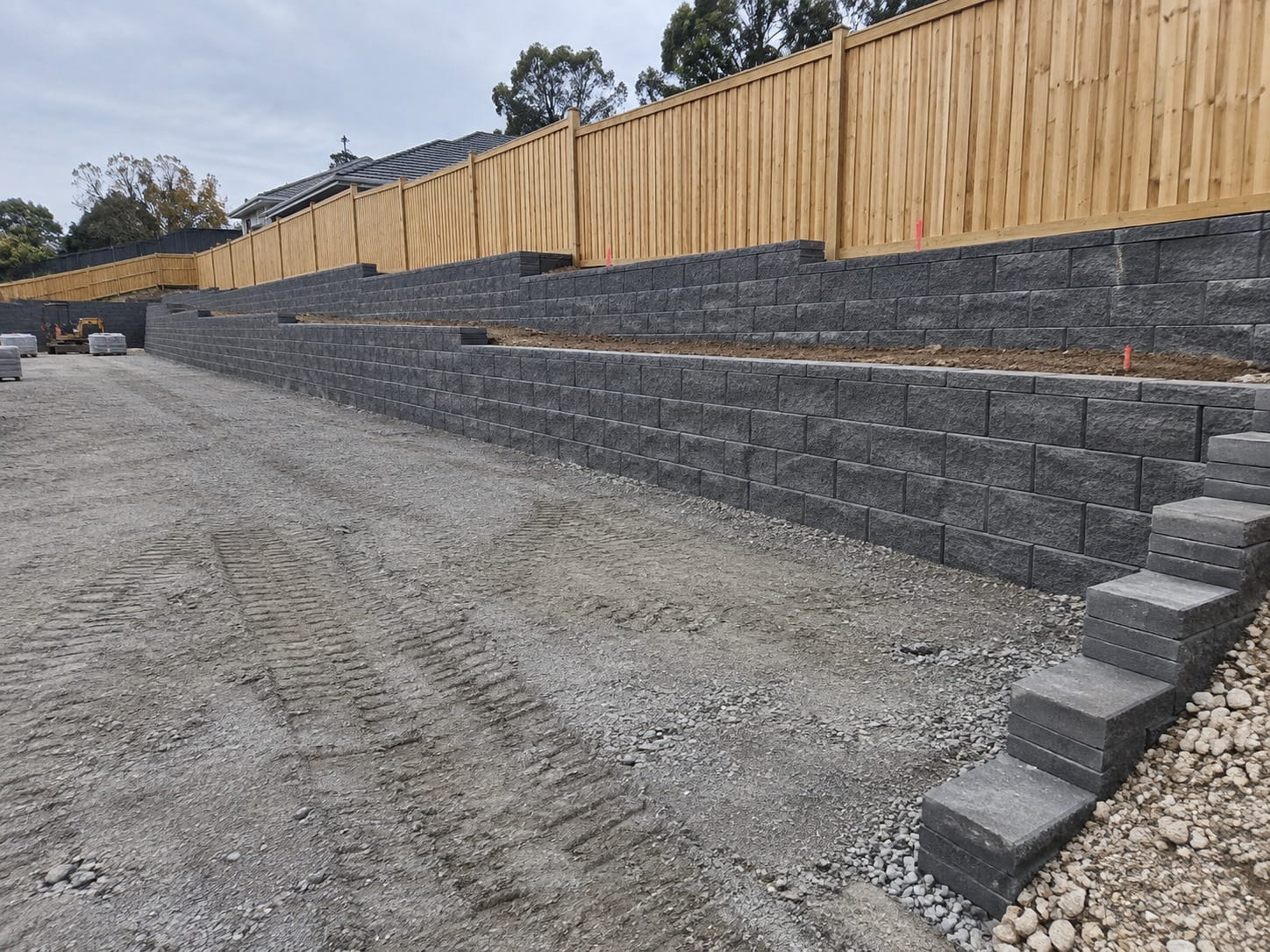
Careful digging behind and below planned walls, giving builders space for footings and drainage and helping you turn steep land into usable level areas. Shoring and temporary drainage are used where needed to keep work safe on steep, wet sites.
Pool and Basement Excavation
Deep, accurately shaped holes for pools, cellars and below ground rooms, with shoring and rock handling planned to suit local ground conditions. Rock breakers and rippers are used where required, with care taken to protect neighbouring boundaries and underground services.
Spoil Removal and Rock Handling
Soil, clay and rock carted away or reused on site, with the right equipment to deal with the hard dolerite and shale found in parts of Hobart. Fill is supplied and compacted in layers, so your new levels stay firm.
Excavation Contractors Hobart: 3 Ways To Get Started
Every good build starts with accurate excavation. Our Hobart excavation team will help you plan the digging, levels and spoil removal before work begins.
- Send your plans: Share drawings or describe what you are building.
- Book a site visit: We check access, rock, slope and services so the quote is realistic.
- Choose your timing: Tell us when you need the site ready for footings or concrete.
However you begin, you will deal directly with experienced operators who understand Hobart's hills, rock and clay. We dig accurately, manage spoil responsibly and protect nearby structures and boundaries. Because we also pour concrete, we know what the next trade needs. We also supply and compact fill properly where levels need to be raised. Call us today for a free quote on your excavation.
Why Choose Our Hobart Excavation Experts
Plant That Fits The Site
Narrow gates, shared driveways and steep hillside approaches dictate what equipment can get in. We assess access on the site visit and choose machinery that fits, so there is no wasted trip with a digger that cannot reach.
Services Marked Before Digging
Water, power, telecommunications and stormwater lines cross more properties than most owners realise. We obtain Before You Dig Australia plans and locate services on site first, because a strike brings delays, cost and safety risks.
Responding To Ground Conditions
Reactive clay, old fill, dolerite rock and groundwater each change how a dig should proceed. We watch what comes out of the ground and let you know early if it differs from what was planned, rather than surprising you later.
Safe, Stable Excavated Faces
Wet clay will not hold a vertical face for long. We batter cuts to a safe slope or shore them where space is tight, and we never leave an open excavation unprotected through heavy rain.
Spoil Removal Priced Clearly
Every cubic metre of soil taken off site carries cartage and tipping costs. We estimate volumes properly at the quoting stage and list them separately, because they are a genuine part of the job.
Handover Ready For Builders
When we finish, levels have been checked, faces are stable and access is clear. Whether we are pouring next or your builder is setting out, the next stage can start without any tidy-up first.
Concrete Works in Hobart

Excavation FAQs
Common questions about excavation in Hobart — what it costs once rock and cartage are counted, locating buried services, digging on a steep block, and when earthworks need a permit.
We quote every excavation job after seeing the site, because the cost drivers vary widely. Volume is the obvious one, but ground conditions often matter just as much. Clay digs very differently from sandstone, and Hobart's dolerite can be hard enough to need a rock breaker, which slows progress considerably. Access is another big factor: a site a larger machine can reach is far cheaper to work than a steep block that needs a mini excavator and multiple passes. Then there is cartage and tip fees for anything leaving the property. We itemise the dig and the cartage separately so you can see both.
Assume there are until proven otherwise. Before any excavation we lodge a request with Before You Dig Australia (BYDA), which gets plans from the utilities for water, sewer, gas, power and telecommunications. Those plans only cover the networks they own, though, and older Hobart properties often have private stormwater lines, power to sheds and irrigation that were never recorded. So we also look for surface clues such as meter boxes, inspection openings and pits, and where there is real doubt we expose the line by hand or with a vacuum excavator. It is a small cost against striking a live cable or water main.
Yes, and plenty of Hobart excavation is on sloping ground, from the foothills of kunanyi/Mount Wellington to the eastern shore. The key considerations are how the machine reaches the work and operates safely once there, how the cut face will be held up once material is removed, and where water intercepted by the cut will go. That last point catches people out. Digging into a hillside changes how water moves through it, and a cut with no drainage behind it can become a problem in the first heavy winter rain. Retaining and drainage need to be planned as part of the dig, not after it.
Where the site allows, the best outcome is reusing suitable material on your own property, for example for landscaping or filling low spots, which avoids cartage costs entirely. That only works if the material is suitable for the purpose and there is somewhere sensible to put it. Reactive clay, for instance, is poor fill under slabs or paving. Otherwise it is loaded and carted to an appropriate tip or recycling facility. Clean fill and contaminated material have very different disposal routes and costs, so if the site has any history worth mentioning, such as old fuel tanks or buried rubbish, tell us when we quote.
Sometimes, and it depends on the scale of the work, the site and your council. Cut and fill depth, proximity to boundaries and buildings, steep or landslip-prone land, waterways and vegetation can all trigger requirements under the planning scheme, and some earthworks also form part of building work that needs approval. Hobart City, Clarence, Glenorchy and Kingborough councils each administer their own areas. We will point out anything that looks likely to apply during the site visit, but we always recommend confirming with your council or a building surveyor before work starts rather than afterwards.
Other services you might need
Got a site that needs cutting?
Tell us the address and what you are planning, and we will come and look at the access.